Beyond Enabling: Launching Your Adult Child to Independence
The modern phenomenon of “failure to launch” has left millions of middle and upper-class parents struggling with a painful reality: their adult child, whether 18, 25, or even 35, refuses to seek employment and remains financially dependent. This situation is heartbreaking, exhausting, and creates immense friction within a household. While it often begins with a place of love and protection, continuing to provide endless luxury without responsibility can create a destructive cycle of dependency that is incredibly difficult to break.
Living in California, I’ve noticed this phenomenon growing, perhaps exacerbated by high costs of living, yet enabled by parental comforts. It is sadly many parents are stuck in this situation, often feeling isolated and powerless. If this describes your family, you aren’t alone, and you need to understand that inaction is no longer an option. The goal is to move your child toward becoming a functioning member of society. This guide will provide actionable steps to help you navigate this transition from a dynamic of “lazy” avoidance to one of self-esteem and independence.
Understanding the Roots of Inactivity
Before rushing to judgment, it’s crucial to investigate why your child has become stuck. While laziness or a lack of motivation might seem like the obvious answer, often deeper, treatable issues are at play.
Physical and Mental Health Checks Are Paramount
The first step in any intervention must be ensuring there isn’t a physiological or psychological barrier to motivation.
Physical Factors
You cannot guess or rely on Google for medical diagnoses. Request that your child undergo a thorough physical examination. This is something simple and non-invasive you can ask them to do as a condition of continued support.
- Thyroid Panel: An underactive or overactive thyroid can drastically affect energy levels and mood.
- Hormone Testing: Imbalances in various hormones can lead to fatigue, listlessness, and lack of drive.
Mental Health
Depression and anxiety are massive motivation-killers. However, a crucial distinction must be made: Millions of people struggle with depression and maintain employment daily. A diagnosis is not a license for permanent inactivity. Traumatic experiences you may not be aware of, such as sexual abuse or abandonment issues, could also be significant roadblocks. If you suspect deeper psychological disorders (such as schizophrenia or autism spectrum disorders), seek an evaluation from a licensed psychologist (who can perform specialized psychological testing) rather than immediately rushing to a psychiatrist for medication. Knowing the precise nature of the mental health challenge allows you to move toward treatment, compassionate understanding, and specific supportive living arrangements like halfway houses, rather than just tolerating “laziness.”
Addressing Technology and Behavioral Addictions
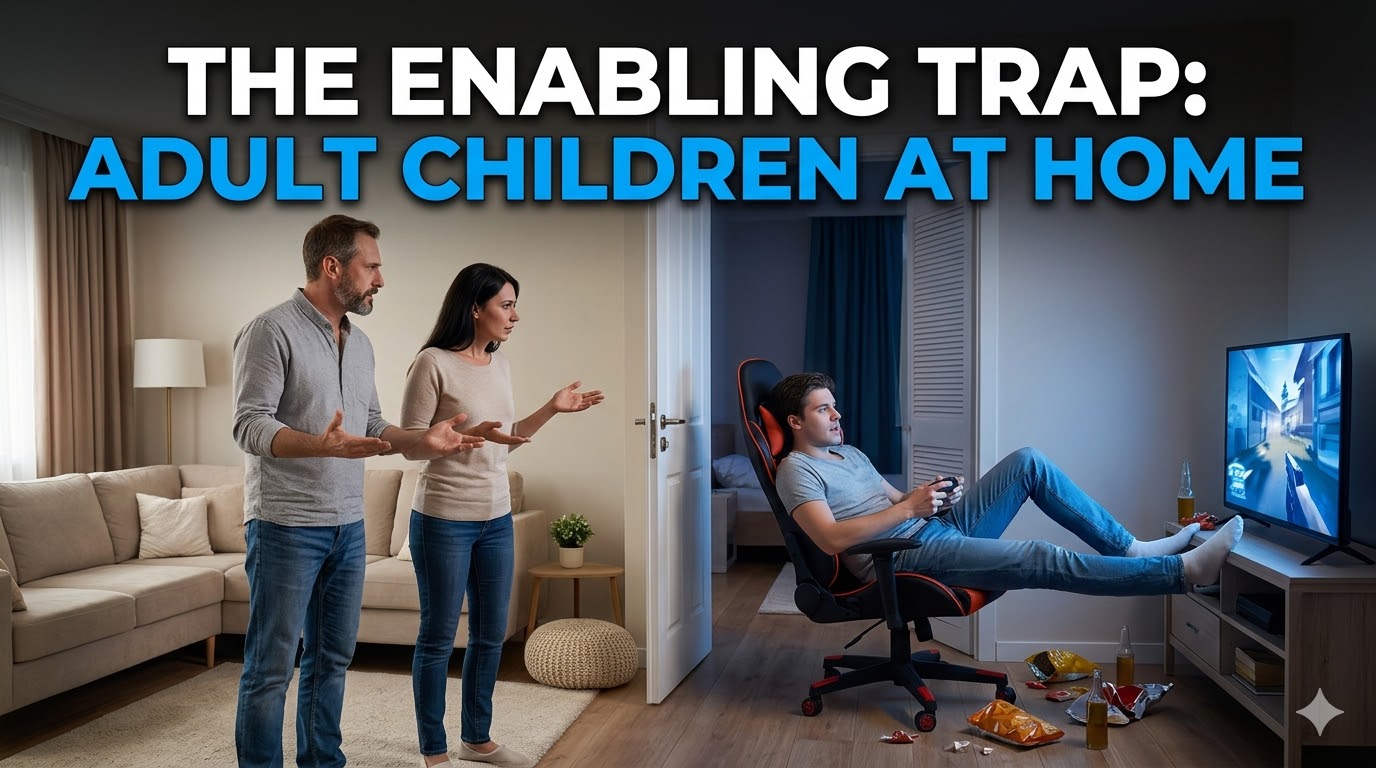
We also live in an era where unprecedented digital escape is readily available. If your child is sitting at home, unmotivated to work but seemingly very motivated to engage with video games, social media, or pornography, you must treat this as a potential addiction. These platforms provide instant, constant dopamine hits that replace the intrinsic desire to achieve real-world goals. If you are paying for the high-speed internet, the consoles, the cell phones, or the streaming services that enable this addiction, you are not helping; you are actively fueling the problem.

Establishing Structural Change and Accountability
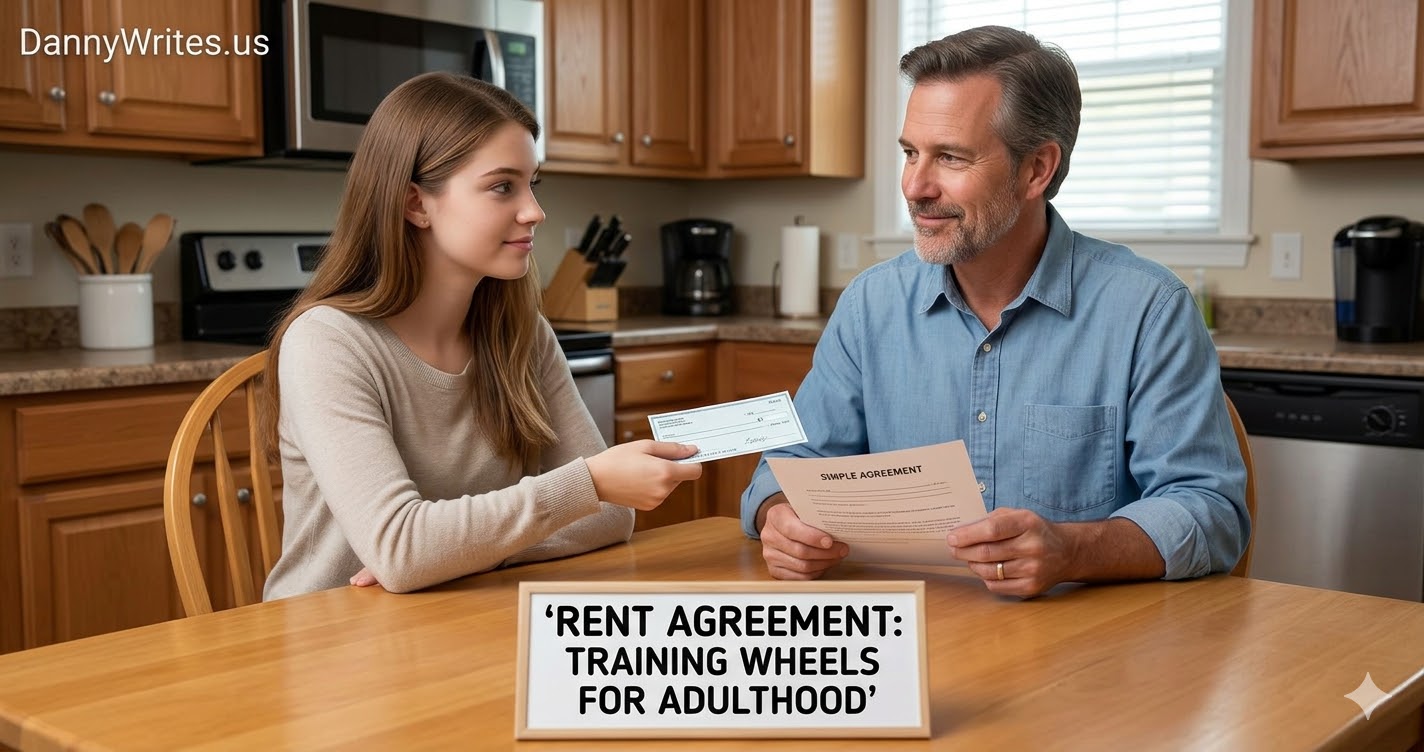
Once you have ruled out or are actively treating underlying issues, the focus must shift to structural change within your home. You need to create a new “lease” agreement, transforming your relationship from a welfare state model to one based on mutual respect and responsibility.
Stopping the Cycle of Enabling: Financial De-coupling
The toughest step for most parents is often the most necessary: cutting off the flow of resources that allow your adult child to live without consequences. If you own the digital devices (phones, TVs, gaming consoles) that are monopolizing their time, remove them from their room—or the entire house.
The Immediate Action Checklist for Parents:
| Action | Purpose |
| Stop Paying the Cell Phone Bill | Forces a choice between isolation and work. |
| Cancel Non-Essential Streaming Services | Removes passive digital escape options. |
| Halt Gas Money or Car Insurance Payments | Restricts freedom of movement unless earned. |
| Remove Gaming Consoles | eliminates the primary dopamine substitute for work. |
| Cease Laundry and Cooking Services | Imposes basic adult responsibilities. |
If you are providing car insurance, gas money, or paying their cell phone bill, you are directly enabling an addictive or avoids behaviour pattern. Acknowledge that you have partial responsibility in creating this dynamic, and let them know that you are changing how you “govern” the home.
Implementing a Strict Schedule: The ‘Time Out of the House’ Rule
It is completely acceptable for you, as the homeowner and provider, to set conditions for anyone living under your roof. If your child does not have a job, their “job” is self-improvement and contribution. Create a written, structured daily schedule they must adhere to. The core component of this agreement must be structured time out of the house. A great starting point is requiring them to be out of the house from a set hour, such as 8:00 AM to 12:00 PM or 12:00 PM to 4:00 PM, forced half of every day they must figure out what to do with their time.
They might choose to exercise, use the library for job hunting, or network, but they cannot simply sit around your living room. It’s totally okay if you have them in your house to say, “Listen, to be in this house, your rent is four hours of volunteering every day, five days a week.” Require them to do a certain amount of work every single day:
- Job Searching (e.g., 2 Hours/Day): This must be documented.
- Household Contribution (e.g., 2 Hours/Day): Cleaning common areas, yard work, or maintenance.
The Power of Volunteering and Service
If they refuse to look for paying work, mandatory volunteering is a non-negotiable alternative. Service to others is a proven method for building relationships, developing self-esteem, and gaining a sense of personal value. Insist that they volunteer at a local hospital, an old folks’ home, a religious organization, or a political cause of their choice. This forces social interaction, establishes a routine, and often provides networking opportunities that can lead to paid employment.
Navigating Marriage Dynamics and Parental Self-Care
This situation is rarely just about the child; it is often a systemic problem that deeply impacts marriages. Frequently, one parent feels strongly that “this kid needs to get moving” (the “tough love” advocate), while the other parent believes “we gotta love them and take care of him” (the “compassionate” advocate). If you and your spouse are not in agreement on how to manage this situation, you will likely fail.
The lack of alignment enables the child to “split” you and exploit the disagreement to maintain the status quo. To move forward, both parents must present a unified front. If you cannot reach an agreement, you need to seek guidance from a couples’ counselor or a spiritual leader. Develop a joint plan, document it, and adhere to it together. As you go through this painful process, please get support for yourself and your marriage. You may also want to explore resources like the “Parent Prodigal Process” book to help manage your own feelings of responsibility or guilt.
When Tough Love Means Letting Go
Despite medical checks, structural rules, and counseling, some adult children will still refuse to change or abide by the new household agreement. At this point, you face the most challenging decision: mandatory removal.

The Legal Eviction Process
If your child refuses to get a job or follow your structure, you might have to legally kick them out of the house. This is a difficult, heartbreaking step, but sometimes necessary to save them from a lifetime of stagnation.
- Call Local Authorities: Contact your local police department or sheriff’s department.
- Learn the Law: Find out what the legal process is in your specific jurisdiction for removing an unwanted adult occupant from your primary residence. It is often a formal eviction process that requires proper notice.
Planning a Mandatory Move-Out
If you choose to use this last-resort measure, do not do so without preparation.
- Provide a Timeline: A reasonable timeline (e.g., two weeks or 30 days) should be given after the initial notice of eviction.
- Identify Resources: Research local homeless shelters and community resources.
- The Transition Conversation: Tell them: “This is the homeless shelter. Here is how you get here. I already called the sheriff; he is going to come in [two weeks/30 days] if you don’t have a job and place to go. He will put your stuff in a storage unit.”
- Agree on Storage: It is fine if you want to agree to pay for that storage unit for 30 or 60 days to protect their belongings, but they cannot continue to live with you.
Conclusion
Watching your child contribute in no way to the world is painful. Acknowledge how much of this dynamic you may have helped create, and then resolve to change the way you govern. By stopping enabling, enforcing structure, prioritizing counseling, and committing to tough love, you offer your child the greatest gift: the opportunity for growth, dignity, and a successful launch into adulthood.
💡 Frequently Asked Questions (FAQ)
Q1: How can I tell the difference between ‘failure to launch’ and a serious mental health issue?
A1: This distinction is critical and should not be guessed at. A psychological disorder like major depression, schizophrenia, or an autism spectrum condition requires diagnosis by a psychologist who can perform specialized psychological testing. A diagnostic assessment often reveals whether the issue is a treatable condition requiring specific intervention, or whether the behavior is primarily avoidant and enabled, allowing you to move toward treatment rather than just tolerating inactivity.
Q2: Will enacting ‘tough love’ strategies like eviction permanently ruin my relationship with my child?
A2: While the process of introducing structure—like removing digital distractions and halting gas money—will cause immediate friction, it is not destined to ruin the relationship. The goal is to move your child toward becoming a functioning member of society. Continuing the “welfare state” in your home often leads to long-term resentment on both sides. The short-term pain of establishing accountability often builds a stronger foundation of mutual respect later in life. Please get some support as you navigate this process to manage your family’s dynamic and communication.
Q3: My spouse and I completely disagree on how to handle this situation. What should we do?
A3: If your child is sitting at home and you and your spouse are not in agreement, you must address the marriage dynamic first. Often, one parent defaults to “tough love” while the other believes “we gotta love them and take care of him.” This lack of alignment is a systemic problem that allows the unproductive child to continue their behavior. You need to get to a counselor or spiritual leader together, develop a unified plan, and present a single, unmovable front.