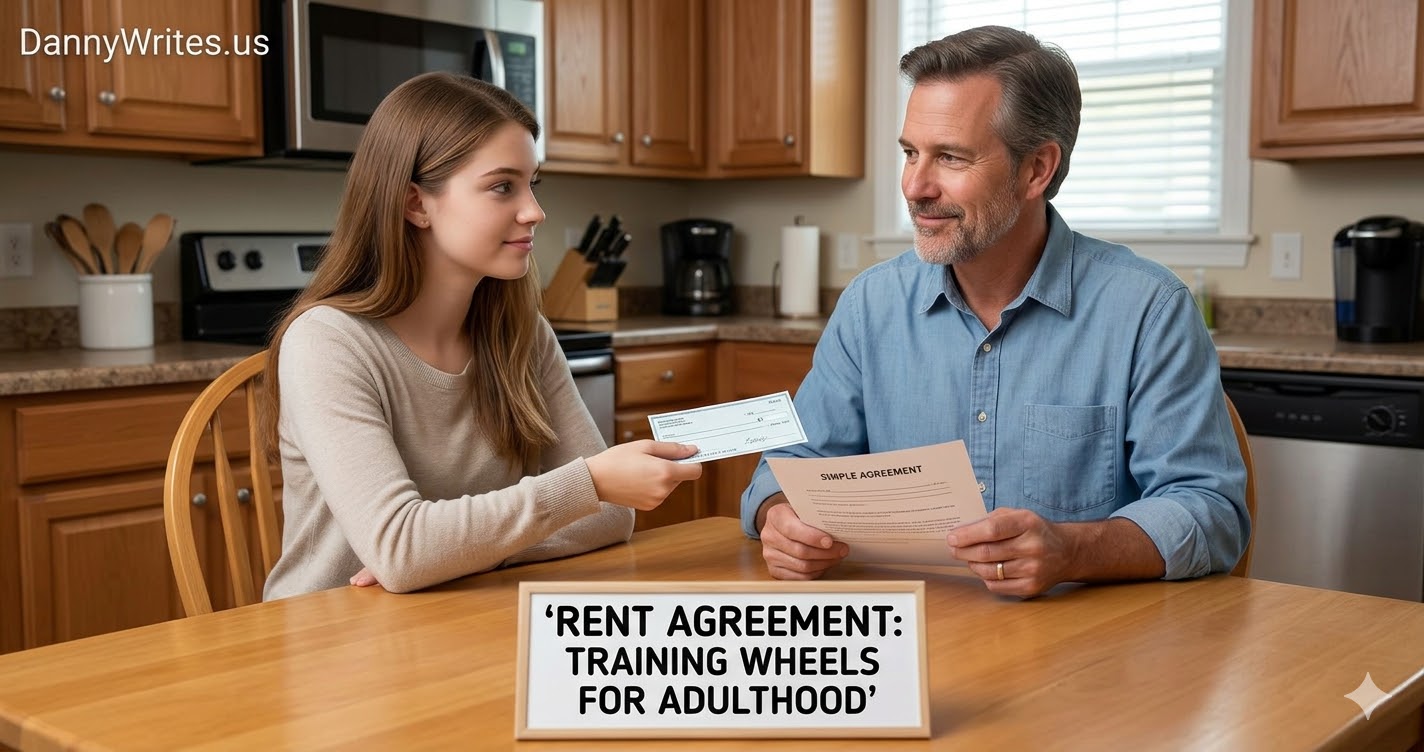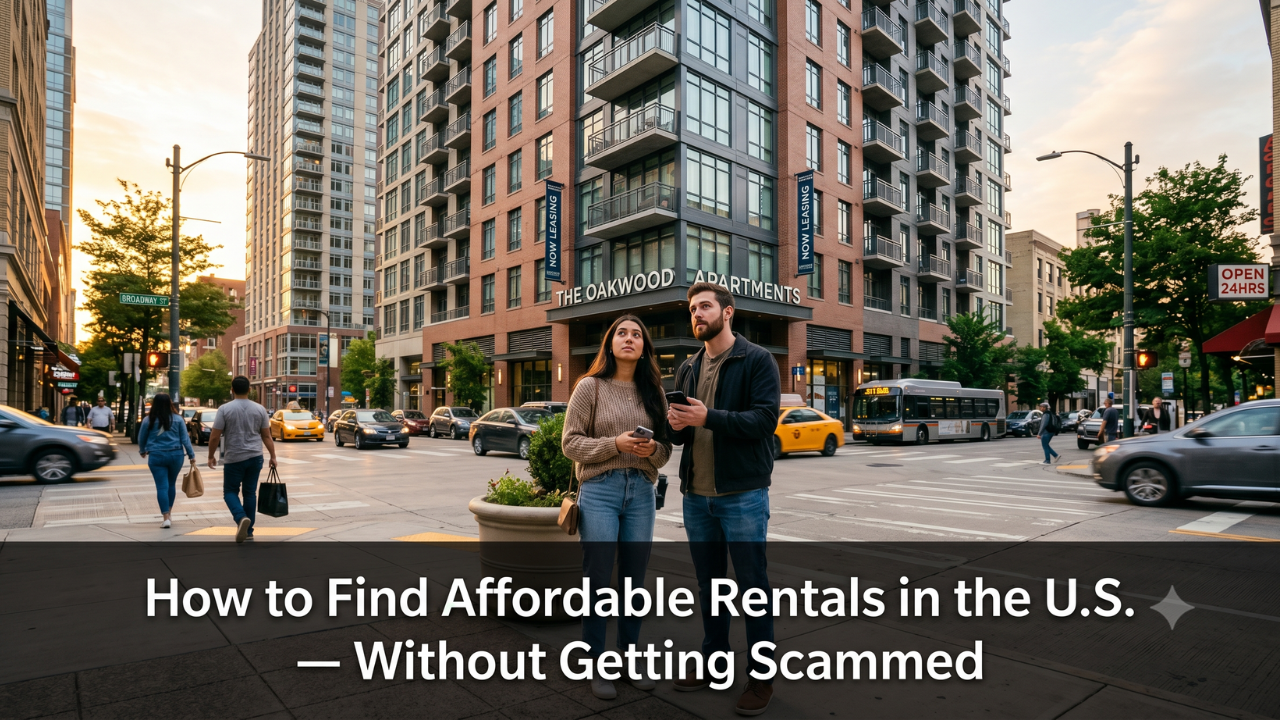
Housing & Personal Finance · June 2025
The Renter’s Survival Guide:
How to Win in America’s Brutal Housing Market
Rents are still punishing. Competition is cutthroat. And landlords hold almost all the cards — unless you know the playbook they don’t want you to have.
📍 A ground-level guide from someone who’s navigated this market firsthand

I’ll be honest with you. Living in the San Francisco Bay Area, I’ve watched people — smart, employed, hardworking people — get completely steamrolled by the rental market. Friends who made $80,000 a year found themselves sleeping on couches because they couldn’t secure a lease. Others signed contracts they didn’t understand and lost thousands of dollars in hidden fees and wrongful charges. The American dream of stable housing has, for millions of renters, turned into a recurring nightmare.
And here’s what the headlines don’t tell you: it’s not just about how much rent costs. It’s about not knowing how the game works. Landlords, property management companies, and listing platforms are sophisticated. The average renter is not — and that asymmetry is costing people dearly.
This guide is my attempt to close that gap. Whether you’re relocating to New York, Austin, Miami, or Denver — whether you’re hunting your first apartment or your fifth — what follows is the hard-won, no-fluff intelligence you actually need to navigate the most competitive rental landscape in modern American history.
Why the U.S. Rental Market Is So Brutal Right Now
The numbers are staggering. According to Harvard’s Joint Center for Housing Studies, nearly half of all American renters are now considered “cost-burdened,” meaning they spend more than 30% of their gross income on rent. A significant portion — roughly one in four — are “severely cost-burdened,” allocating over 50% of their earnings just to keep a roof overhead.
Several structural forces have collided to create this crisis:
- Chronic undersupply: The U.S. is estimated to be short anywhere from 3.5 to 7 million housing units. Zoning restrictions, construction delays, and NIMBY opposition have made it nearly impossible for supply to catch up with demand in major metro areas.
- Remote work displacement: When remote work expanded the radius of where people could live, smaller cities like Boise, Chattanooga, and Asheville saw demand — and rents — spike almost overnight.
- Institutional ownership: Large real estate investment trusts (REITs) and private equity firms have purchased millions of single-family rentals, removing them from the traditional owner-occupied market and managing them for maximum yield.
- Wage stagnation vs. rent inflation: Median wages have not kept pace with median rent increases. The math, for millions of Americans, simply does not work.
Understanding this macro context isn’t just academic. It should shape your strategy from the first apartment search to the final lease negotiation. You are competing in a market structurally tilted against you — so you need to be smarter, faster, and more prepared than the next applicant.
🔒 Sponsored
Your landlord can see what you do online. Can you afford not to hide it?
When you’re apartment hunting, you’re entering personal info on dozens of unsecured networks. NordVPN encrypts every connection — so your sensitive rental applications, credit scores, and financial data stay yours alone. 60-day money-back guarantee. No excuses.
Protect My Data Now →Finding Affordable Neighborhoods in Major Metro Areas
The first and most consequential decision in apartment hunting isn’t which unit to pick — it’s which neighborhood to target. Most people let emotion, aesthetics, or Instagram aesthetics drive this choice. Smart renters let data drive it instead.
The “Adjacent Neighborhood” Strategy
Every expensive neighborhood in America has a less-famous neighbor within a 10–20 minute commute. In New York City, renters priced out of Brooklyn Heights find comparable quality in nearby Cobble Hill or Carroll Gardens. In Los Angeles, those shut out of Silver Lake increasingly settle in Echo Park or Cypress Park. Chicago’s hot Wicker Park pushes renters toward Humboldt Park and Logan Square.
The trick is to map your must-haves — commute time, walkability score, safety metrics — and then draw a radius around the “prestige” neighborhood. Every zip code within that radius is worth investigating, not for what it is today, but for what it’s becoming.
Data Sources That Actually Help
- Walk Score (walkscore.com): Quantifies walkability, transit access, and bike-friendliness for any address. Essential for car-free renters.
- NeighborhoodScout: Aggregates crime, school quality, and demographic data at the census tract level — far more granular than zip codes.
- Zillow Rental Price Index: Shows median rent trends over time so you can spot neighborhoods where rents are still declining or stabilizing.
- City-specific subreddits: r/nyc, r/LAapartments, r/chicago — real renters share real intel about which landlords are predatory, which blocks to avoid, and where hidden deals exist.
- HUD Fair Market Rents: The Department of Housing and Urban Development publishes annual FMR data. If a landlord’s asking price is 30%+ above FMR, that’s a signal to negotiate hard or walk.
Timing the Market Like a Pro
Rental markets are seasonal in ways that most renters completely ignore. Demand — and therefore prices — peaks between May and August when leases expire, graduates relocate, and families move before school starts. The slowest months are November through February.
If you have any flexibility in your move timeline, signing a lease in January can save you $100–$300 per month compared to the same unit in July. Landlords sitting on vacant units through a cold winter are highly motivated to negotiate.
How to Win an Apartment When Everyone’s Competing for It
In a hot rental market, an apartment can receive 30–50 applications within hours of listing. Landlords are overwhelmed, which means your application needs to not only be complete — it needs to be impressive. Here’s how to stand out.
📋 Pre-Assemble Your Application Packet
Gather your last 2–3 pay stubs, previous 2 years of tax returns (W-2s), bank statements showing 3 months of reserves, a letter of employment, and two personal/professional references. Have this as a ready-to-send PDF so you can submit within 30 minutes of a showing.
💌 Write a Renter’s Cover Letter
A brief, personal cover letter — two paragraphs max — humanizes your application. Mention your employment stability, your track record as a tenant (no late payments, no property damage), and what specifically drew you to this unit or neighborhood. Landlords are people. They’d rather rent to someone they feel good about than the slightly higher-earning stranger.
📞 Call the Landlord Before the Showing
Most applicants send an email or click “schedule tour.” Call. Ask one intelligent question about the unit. Introduce yourself briefly. By the time you walk in for the showing, you’re not a stranger — you’re that considerate person who called ahead. In a stack of 40 applications, name recognition matters.
💰 Offer a Longer Lease or Larger Deposit Strategically
Landlords hate vacancy. Offering to sign an 18-month or 24-month lease — when others offer 12 — dramatically increases your appeal, especially if you’re willing to lock in today’s rent rate. Alternatively, offering an extra month’s rent upfront as additional security reduces the landlord’s perceived risk. Use these levers deliberately, not desperately.
💼 Sponsored
If you can rent an apartment, you can earn from anywhere. But are you actually doing it?
The same rental crisis that’s draining your wallet is also forcing millions of Americans to build remote income streams. Fiverr connects you with freelance professionals who can build your side hustle — or help you sell your own skills to the global market. Your rent won’t negotiate itself, but your income can grow.
Explore Fiverr Freelance Services →Decoding Your Lease: What Landlords Hope You’ll Skip Over
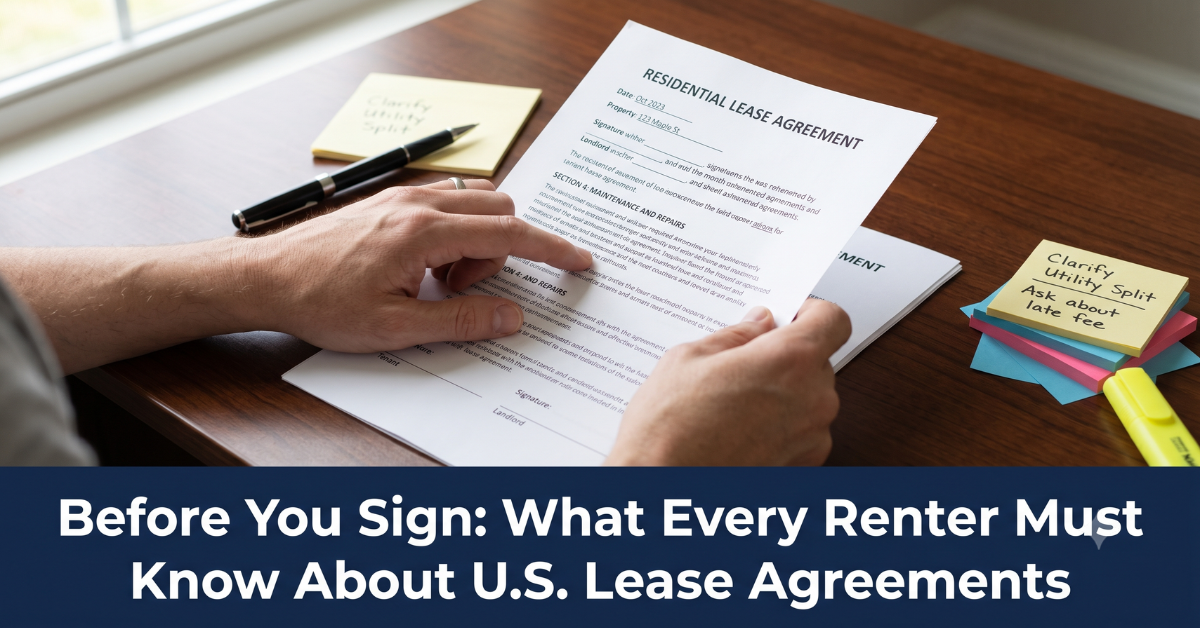
A lease is a legal contract. Most renters treat it like an End User License Agreement — something to scroll through and sign as fast as possible. This mistake costs Americans billions of dollars annually in security deposit disputes, illegal fees, wrongful evictions, and maintenance battles.
Here are the clauses that matter most and exactly what to look for in each:
Security Deposit Terms
Every state has different laws governing security deposits — maximum amounts, return timelines, and allowable deductions. The NOLO legal database is your best free resource here. Know your state’s rules before you sign.
Specifically look for: how many days after move-out must the landlord return the deposit (typically 14–30 days depending on state), what constitutes allowable deduction versus “normal wear and tear,” and whether the landlord is required to provide itemized receipts for deductions. Document the apartment’s condition at move-in with timestamped photos and a written checklist — send a copy to the landlord immediately after signing.
Rent Increase Provisions
Month-to-month clauses are particularly dangerous in non-rent-controlled cities. Your landlord may legally raise the rent with 30–60 days notice to any amount they wish. Look for annual rent increase caps in the lease, and check whether your city or county has any local rent stabilization ordinances.
Maintenance and Repair Responsibilities
The lease should specify who handles what — HVAC filters, pest control, appliance repairs. Vague language like “tenant responsible for minor repairs” is an invitation for abuse. Push for specificity: define “minor” with a dollar threshold (anything under $100 is tenant’s responsibility; anything above is landlord’s).
Early Termination and Subletting
Life is unpredictable. Job relocations, family emergencies, and health changes happen. Understand the early termination clause before you sign, not after you need it. Many leases require payment of two to three months’ rent as a buyout penalty. Some prohibit subletting entirely — which eliminates your flexibility and your exit strategy.
The “Joint and Several Liability” Clause
If you’re signing with roommates, this clause makes each tenant individually responsible for the entire rent — not just their share. If your roommate stops paying, the landlord can legally come after you for the full amount. Understand this before you sign with anyone whose financial reliability you’d rate less than a 9 out of 10.
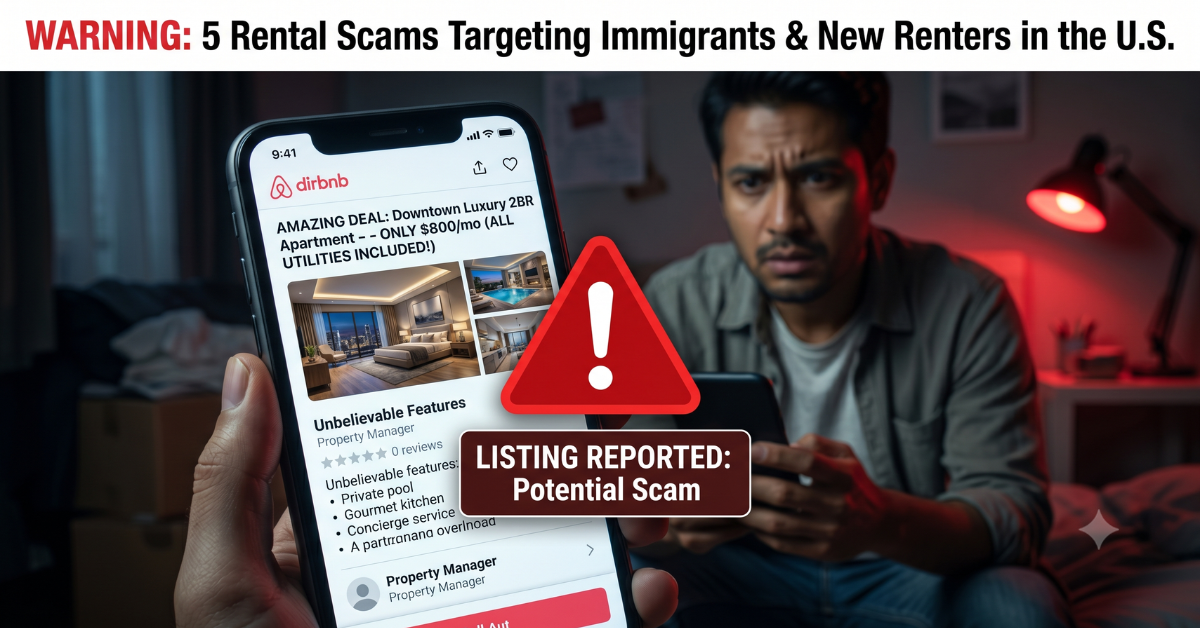
Rental Scams Are Getting Sophisticated. Here’s How to Spot Them.
The FBI’s Internet Crime Complaint Center reported over $350 million in losses from real estate and rental fraud in a single recent year. The scams have become terrifyingly professional — complete with fake property management websites, forged lease agreements, and social engineers who know exactly how to exploit the desperation of a competitive rental market.

🚨 Red Flags That Should Terminate the Process Immediately
- The landlord or “owner” is traveling abroad and cannot show the apartment in person
- The asking price is 20–30% below comparable units in the neighborhood
- You are asked to wire money, pay in cryptocurrency, or send gift cards to “hold” the unit
- The listing photos look professional but cannot be reverse-image-searched to a legitimate source
- You receive pressure to sign quickly because “there are three other applicants right now”
- The “landlord” communicates exclusively through email or text, avoiding phone or video calls
- The lease agreement asks for your Social Security Number before you’ve visited the property
Verification Steps That Take 10 Minutes and Save Thousands
- Search the property address in your county’s property tax records (available free at most county assessor websites) to verify the actual owner’s name matches who you’re dealing with.
- Reverse-image-search every listing photo in Google Images. Scammers routinely steal photos from legitimate Zillow or Realtor.com listings.
- Never sign a lease or send money for a property you have not physically visited and been shown by someone with a verifiable identity.
- Use the state Bar Association’s rental referral service or your local Tenant Rights organization if any part of the transaction feels off.
The Art of Rent Negotiation: Most Renters Never Try
A 2023 survey by Apartment List found that 84% of renters who attempted to negotiate their rent reported at least partial success. Yet the majority of renters never attempt to negotiate at all. That’s not timidity — it’s ignorance of what’s actually possible.
Here are the specific levers you can pull:
Request a Free Month
In softer markets or for units that have sat empty more than 3 weeks, asking for the first month free is reasonable and frequently granted. This is effectively a 8.3% discount on annual rent while allowing the landlord to advertise the same monthly rate.
Trade a Longer Lease for Lower Rent
Offer 18 or 24 months in exchange for a rent reduction of $50–$150/month. You trade flexibility for predictability, and landlords trade income volatility for guaranteed occupancy. Both sides can win.
Negotiate Rent Increase Caps
Ask for a clause that limits annual rent increases to CPI (Consumer Price Index) or a fixed percentage like 3–5%. This won’t help your first year rent, but it protects you enormously in year two and three.
Request Amenity Inclusions
If the landlord won’t budge on monthly rent, ask for parking, storage, or pet fees to be waived. A $100/month parking space is effectively $1,200/year. These line items are often more negotiable than headline rent.
Your Rights as a Renter: The Laws Landlords Count On You Not Knowing
Federal and state law provides renters with substantial protections. The problem is that these protections are only meaningful to renters who know they exist.
Federal Fair Housing Act
It is illegal for landlords to discriminate against applicants or tenants based on race, color, national origin, religion, sex, familial status, or disability. Many states extend these protections to sexual orientation, source of income, and immigration status. If you believe you’ve been discriminated against, file a complaint with HUD at hud.gov or contact a local fair housing organization.
Implied Warranty of Habitability
In virtually every U.S. state, landlords are legally required to maintain rental units in a livable condition — meaning working heat, plumbing, electricity, and freedom from pest infestations. If a landlord fails to address a habitability issue after proper notice, tenants may have the right to withhold rent, repair-and-deduct, or break the lease without penalty. The specific rules vary by state, but the principle is nationwide.
Retaliation Protections
If you report a housing code violation to local authorities, request repairs, or join a tenants’ union — and your landlord subsequently tries to raise your rent, reduce services, or evict you — that landlord may be engaging in illegal retaliation. Document everything with timestamps and keep copies of all communications.
🌐 Sponsored
You’re spending $2,000/month on rent. What if your website could pay for it?
Thousands of Americans have launched content sites, local business directories, and affiliate blogs that generate passive income — starting at under $3/month with Bluehost. If the housing crisis is teaching you anything, it’s that you need more income streams. Start yours today.
Start My Website for $2.95/mo →Renting With Bad Credit or No Rental History: It’s Not Over
Bad credit or thin rental history is a significant obstacle, but it is not an insurmountable one. Here are proven strategies renters use to secure housing despite imperfect financial backgrounds.
- Offer additional months’ deposit upfront. Two or three months’ security deposit substantially offsets the perceived risk of a low credit score applicant. If you have the cash reserves, offer it proactively.
- Get a co-signer with strong credit. A creditworthy parent, sibling, or close friend can co-sign your lease, making them legally responsible if you default. This is a significant ask, so offer concrete reassurances.
- Target private landlords over corporate property managers. Large property management companies run automated credit screening with hard cutoffs. Individual landlords have discretion — and are far more likely to hear your story and make an exception.
- Provide supplemental documentation. Bank statements showing strong cash flow, a letter of employment with salary verification, or a reference letter from a previous landlord can offset a weak credit number.
- Look for “no credit check” apartments — carefully. These exist, but verify legitimacy thoroughly. They often come with premium pricing or predatory lease terms designed to exploit applicants with limited options.
Final Thought: Information Is Your Leverage
The American rental market in 2025 is not a level playing field. It was not designed to be. But the gap between what renters know and what landlords, property managers, and listing platforms know is not fixed — it’s closeable. Every piece of information in this guide is a concrete lever you can pull to shift that balance in your favor.
Find the adjacent neighborhood. Time your application. Negotiate the lease term. Read the fine print. Document everything. Know your rights. The renters who do these things are not the ones who get exploited — they’re the ones who build stable housing situations even in the most brutal markets.
Your housing situation is too important to leave to luck. Treat it with the same strategic attention you’d give any high-stakes decision — because that’s exactly what it is.
🛒 Setting Up Your New Place? Shop Smart on Amazon
From moving essentials to first-apartment must-haves, find everything you need to make your new space feel like home.
Shop My Amazon Storefront →Recommended Tags
💡 Frequently Asked Questions (FAQ)
Q: How do I know if a rental listing is a scam before I visit?
A: Run every listing photo through Google Reverse Image Search to check if photos have been stolen from another listing. Then verify property ownership against your county assessor’s public records — a free search that takes under five minutes. If the listed owner doesn’t match who you’re communicating with, stop the process immediately. Additionally, a price significantly below comparable listings in the same neighborhood is almost always a manufactured lure, not a legitimate deal.
Q: What’s the most effective way to negotiate rent in a competitive market where landlords have all the leverage?
A: The most effective leverage you have in a competitive market is stability and certainty. Landlords don’t just want the highest rent — they want the most reliable tenant. Offer a longer lease term (18–24 months) in exchange for a rent reduction or a locked-in annual increase cap. Simultaneously, present the most complete and professional application possible: pre-assembled financials, a cover letter, and references available on the spot. You’re not competing only on price — you’re competing on risk profile. Reduce the landlord’s risk and you gain disproportionate negotiating power.
Q: Can a landlord legally refuse to return my security deposit without giving reasons?
A: No. In virtually every U.S. state, landlords are legally required to return your security deposit within a specified timeframe (typically 14–30 days post-move-out) and must provide an itemized written statement of any deductions. Failure to comply can result in the landlord owing you double or even triple the deposit amount in damages, depending on state law. Your strongest protection is move-in documentation: timestamped photos, a written walkthrough checklist signed by both parties, and a copy sent to the landlord via tracked email or certified mail immediately upon occupancy. This paper trail makes deposit disputes dramatically easier to win.
🌿 Weekly wellness, health & beauty insights — straight to your inbox
Free subscription · Cancel anytime