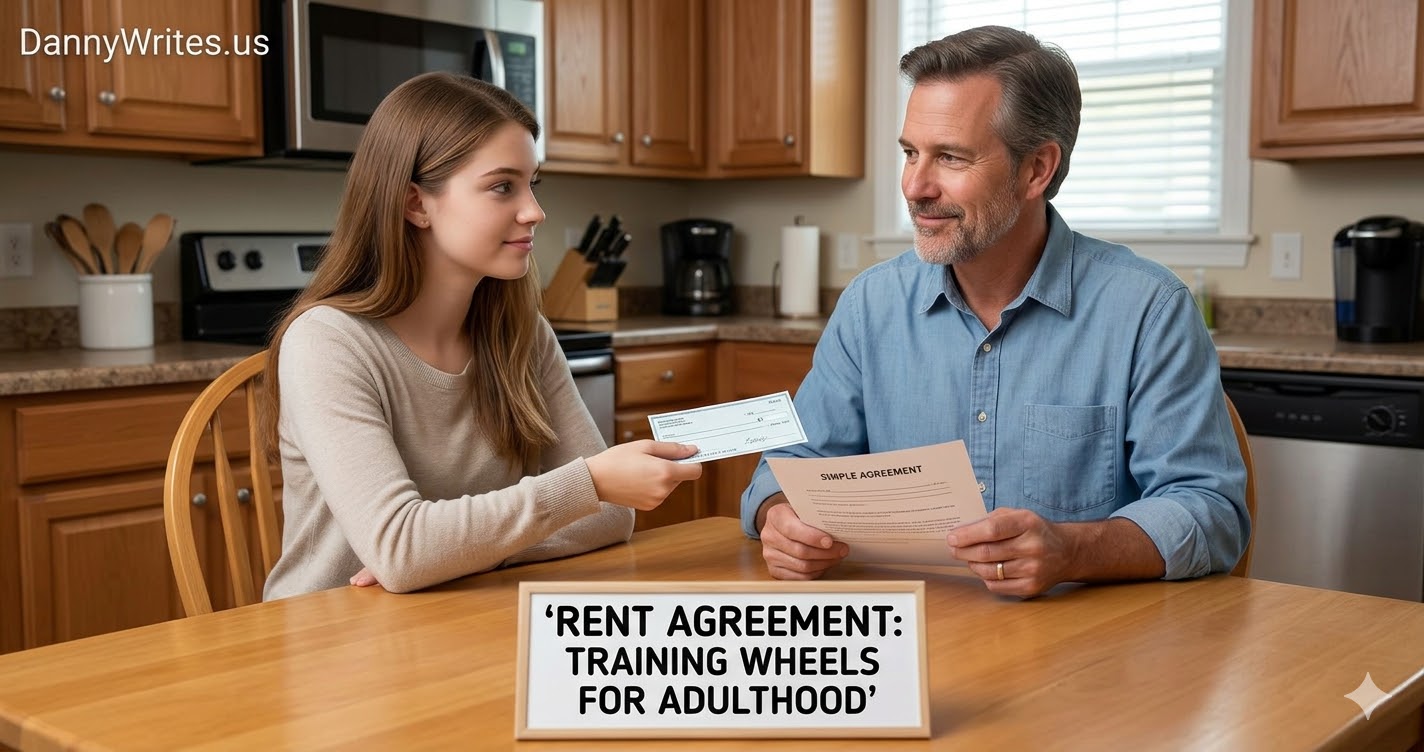
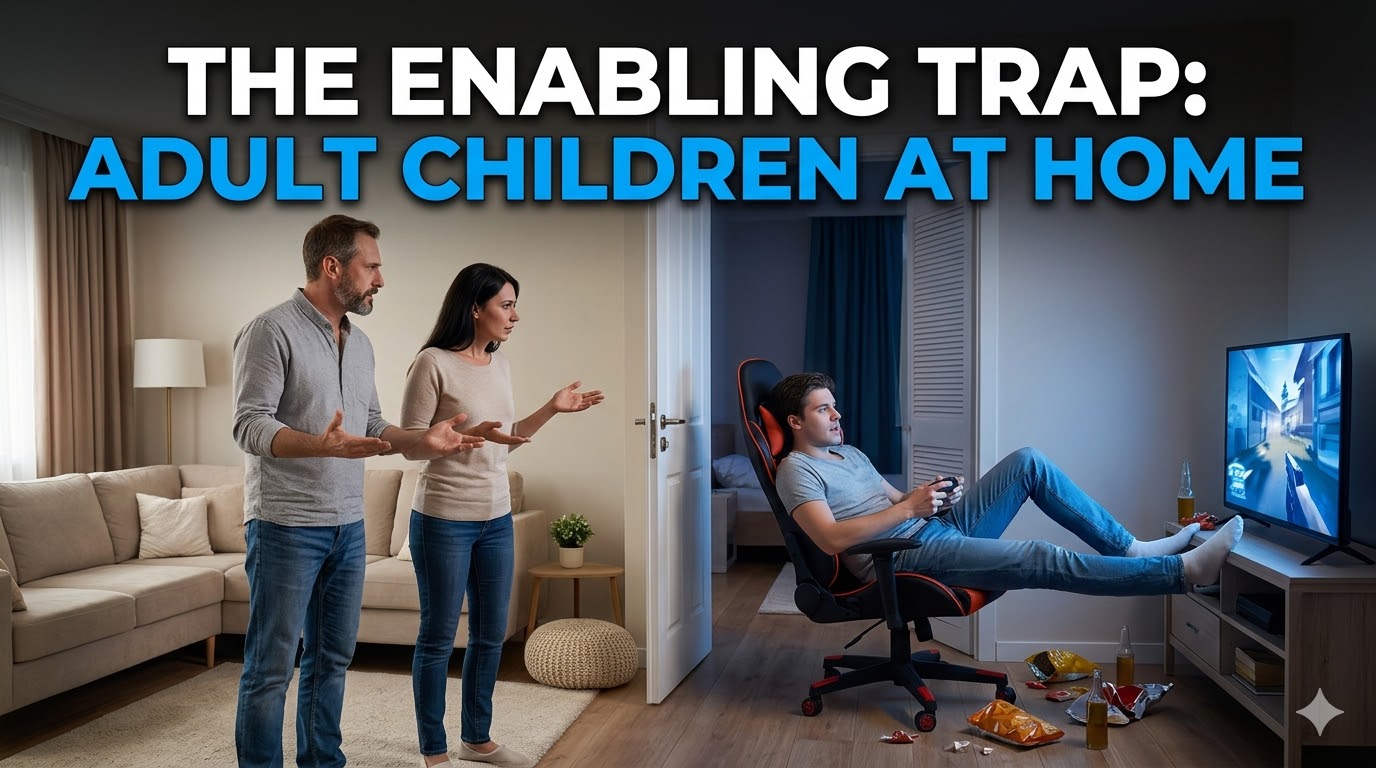
It seems like just yesterday we were celebrating high school graduation, imagining the empty nest and the quiet evenings ahead. But for millions of American parents, the reality is looking a little different. Instead of a departure, it’s a “boomerang.” The 2022 graduation season, for example, saw many young adults, like Kylie from a recent viral story, transitioning not into dorm rooms or first apartments, but back into their childhood bedrooms.
This phenomenon, often called the “Boomerang Generation,” isn’t just a fleeting trend; it’s a significant shift in American household dynamics. When these young adults return, a challenging question often arises: Should parents charge them rent? This topic recently ignited a passionate debate on TikTok, pulling over 180,000 views and showcasing a deep divide in opinions. While some see it as essential preparation for financial independence, others view it as unnecessary and culturally insensitive.
Living in California, I’ve seen both approaches firsthand, and the “right” answer seems to depend entirely on the goals and financial health of both generations. Let’s break down the debate and explore how to make this transition a success.
The TikTok Debate that Hooked a Nation
The story that sparked the current conversation involved Kylie, a 2022 high school grad who chose to live with her parents on their ranch. Instead of just “staying,” Kylie’s parents treated her as a tenant, requiring a $200 monthly rent check. Her parents’ perspective was clear: “Just to prepare you for the future.” For Kylie, it made perfect sense. She preferred paying her parents $200 to learn budgeting over paying $800 to a stranger for rent.
Yet, when they shared this on TikTok, the comments were a battlefield. One parent strongly supported the approach, vowing to charge her children rent to ensure they learn financial responsibility. On the opposing side, many referenced cultural norms. A 35-year-old mother explained, “In my culture, multigenerational households are not an exception. It’s the norm.” She insisted that even at her age, with a husband, her mother would never dream of charging rent. This cultural critique resonates with many, especially in Hispanic, Asian, and Mediterranean households where living with parents is common and expected.
By the Numbers: Why More Adult Kids Are Living at Home
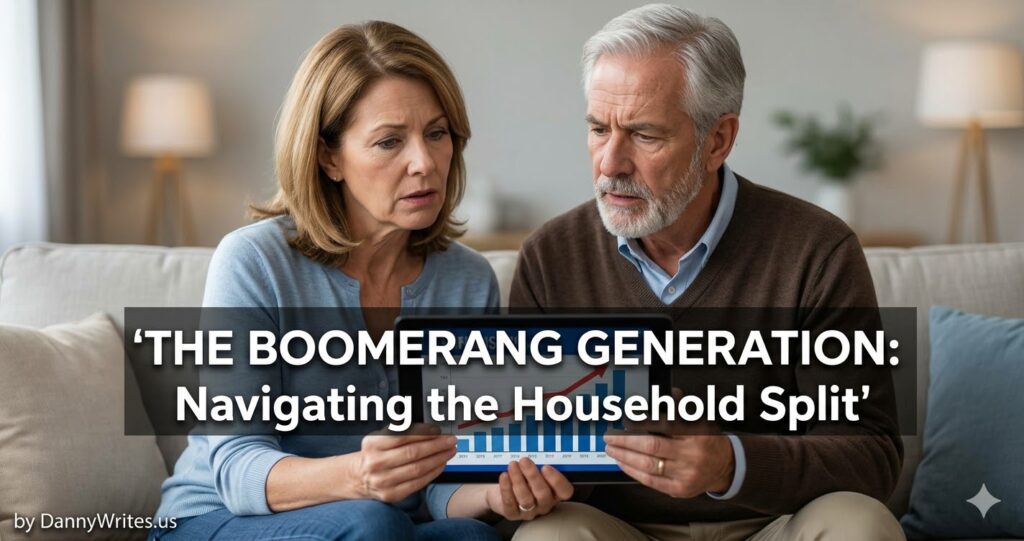
This debate isn’t happening in a vacuum; it’s fueled by real numbers. A Pew Research Study in 2020 found that more than half of adults aged 18 to 29 were living with a parent. This trend was already growing before the pandemic, but the subsequent economic shifts and high cost of housing only accelerated the “boomerang” effect.
Furthermore, a separate survey revealed that for many, this isn’t temporary. Sixty-seven percent of these “pandemic boomerang kids” were still living with their parents well into 2022. The script notes a potential pitfall here: “There is often a step back in maturity and in development when they move back home because we naturally slip back into the roles of parents for us and children for them.” This is the precise “stepping stone” problem Kylie’s parents sought to avoid by implementing the tenant model.
“Training Wheels for Adulthood”: The Pros of Charging Rent
What’s the rationale behind Kylie’s parents’ approach? Proponents argue that charging rent is a crucial life lesson: fiscal responsibility. As the anchor pointed out: “It’s like training wheels for being an adult. Their goal was not to pocket the money. It was all about being a stepping stone.”
Kylie’s $200 check to her parents didn’t just cover costs. It forced her to create a monthly budget, which actually helped her save more money overall. When the anchor shared her story of paying rent at 19, she recalled how it “makes you think about, well, I can’t go to the movies every single weekend.” For Kylie’s parents, and for many supporting parents, the goal is to shift the dynamic from “parent-child” to “landlord-tenant” (even a very sympathetic one) to encourage maturity.
Alternative Models: It’s Not Just About the Cash
Not every family supports charging adult children rent, and not every family can afford to have them live for free. What are the intermediate options? The TikTok debate revealed several inventive and highly effective models.
The Hidden Nest Egg: Saving the Rent
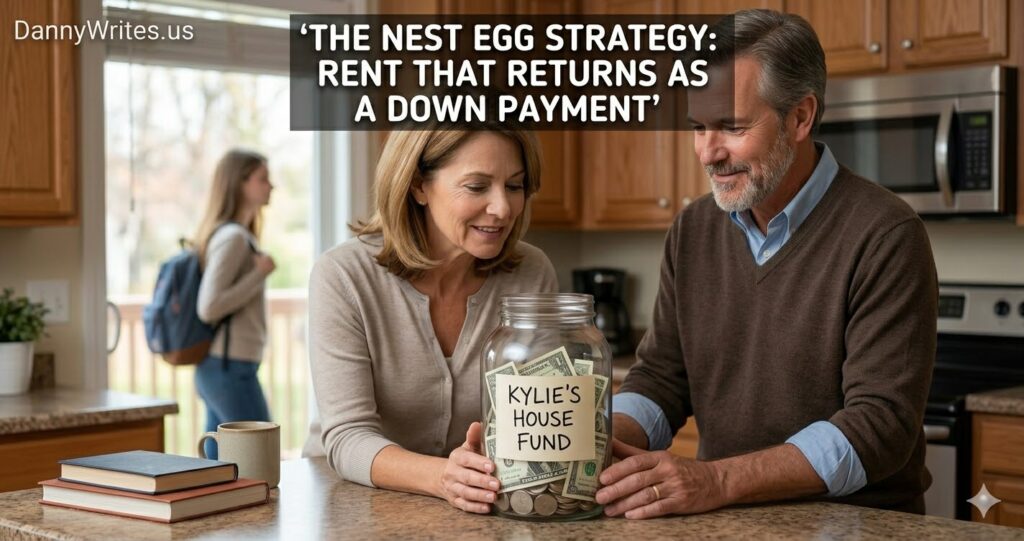
One popular idea mentioned on TikTok is that parents can collect rent, but then save every penny. This “nest egg strategy” allows the parent to present the adult child with a lump sum when they eventually move out—perhaps as a down payment on their own home. This approach provides all the financial discipline of paying rent without the parents actually needing or wanting the money for themselves.
The “Chipping In” Approach: Contributing in Lieu of Cash
If the child cannot afford rent or if the family culture rejects the concept, other contributions should be required. As one TikToker suggested, parents can send the message that “it is time to start carrying your own weight” in non-monetary ways.
If an adult child isn’t paying rent, they can and should be responsible for:
- Grocery shopping and meal prep
- Doing all their own laundry and shared cleaning
- Yard work or home maintenance tasks
- Babysitting younger siblings, as Kylie did when she temporarily moved in with her aunt and uncle.
This is about showing respect and being a contributing member of the household, not just a guest. It’s often “in lieu of paying rent” and can work very well to prevent the “step back in maturity.”
When Is Charging Rent Appropriate? A Checklist for Parents and Adult Kids
There is no one-size-fits-all solution for charging adult children rent. The decision must be based on a clear understanding of the goals and financial situation of the specific household. Before implementing a tenant-landlord relationship, here is a checklist that both generations can use to discuss the arrangement:
1. What are the core goals for both parties?
- Parent goal: Prepare child for financial independence, or cover household costs?
- Child goal: Save for a home, pay off debt, or simply live cheaply?
- Is the rent aimed at achieving these specific goals?
2. Is the adult child employed and financially stable enough to pay rent?
- If they are, a reasonable, lower-than-market rent can provide financial discipline.
- If they are not, non-monetary contributions (chores, babysitting, etc.) should be required while they actively search for a job.
3. What cultural norms are you balancing?
- Is the family comfortable with a tenant-landlord relationship?
- If cultural traditions emphasize multigenerational living, is there an agreement on how the child can contribute without paying rent?
4. How long is the arrangement likely to last?
- If it’s short-term (e.g., a few months while saving for a deposit), maybe free rent with heavy chore contribution is better.
- If it’s long-term (e.g., several years), a formal rental agreement should be considered.
5. What are the financial needs of the parents?
- Do the parents need the extra money to cover bills, or is the rent purely for the child’s training?
- If the parents don’t need the money, can they save the rent as a “hidden nest egg”?
Setting Clear Boundaries and a Departure Strategy
The script concludes with a poignant reminder: “There is going to come a time when they move out and they don’t come back. And believe it or not, you will miss them.” This emotional truth must be balanced with the need for clear communication.
Whatever you decide, make it official. Sit down and write a simple agreement. This prevents misunderstandings, clarifies expectations, and prevents resentment from building. Discuss how to share responsibilities, set expectations for noise and visitors, and establish a clear timeline for the child to move on to their own place.
The TikTok controversy shows that the “boomerang generation” has redefined adulthood for many in the US, but it doesn’t have to be a source of stress. Whether you decide to charge rent, save it as a nest egg, or require contribution through chores, the key is to have a defined plan. The goal, after all, isn’t profit; it’s providing the necessary “launch pad” for your child to successfully and confidently navigate adulthood on their own.
🌿 Weekly wellness, health & beauty insights — straight to your inbox
Free subscription · Cancel anytime


This is really interesting, You’re a very skilled blogger. I’ve joined your feed and look forward to seeking more of your magnificent post. Also, I’ve shared your site in my social networks!
Thank you!@