AI Side Income Ideas With No Experience: 6 Realistic Paths to Extra Cash in 2026
A year ago, “make money with AI” mostly meant typing a prompt into a chatbot and hoping something sellable came out. That era is over. Living in California, I’ve watched the gig economy shift in real time — baristas moonlighting as AI-assisted copywriters, retail workers running faceless YouTube channels from their phones, and stay-at-home parents building five-figure side businesses around tools that didn’t exist eighteen months ago. What changed isn’t the technology alone. It’s that AI finally closed the gap between having an idea and having the skill to execute it.
This guide walks through six side income paths that genuinely work for people with zero professional background in writing, video production, coding, or e-commerce. None of these are “get rich overnight” schemes. Each one requires consistency, a few weeks of learning curve, and a willingness to treat AI as a co-pilot rather than a magic button. But every path below is something a complete beginner can start this month with a laptop and an internet connection.
Why “No Experience” No Longer Disqualifies You From the AI Economy
A recent survey of the gig workforce found that the vast majority of independent workers are already using AI tools in their day-to-day work, and most of them say those tools have made their existing skills more valuable, not less. Even more telling: a large share of gig workers believe AI has created entirely new categories of paid work that didn’t exist a few years ago. That last point is the one beginners tend to miss. AI isn’t just making existing jobs faster — it’s manufacturing new, low-barrier income streams almost every quarter.
The practical result is this: you no longer need a portfolio, a design degree, or five years of freelance experience to start earning. What you need is a narrow problem to solve, a tool that helps you solve it faster than a human competitor, and the discipline to publish or pitch consistently for a few months. Below are six paths, roughly ordered from “fastest to first dollar” to “highest long-term ceiling.”
Before you pick an idea, it helps to actually learn the underlying skill — not just the AI shortcut.
Build In-Demand Tech Skills on Educative →1. AI-Assisted Freelance Writing and Content Services
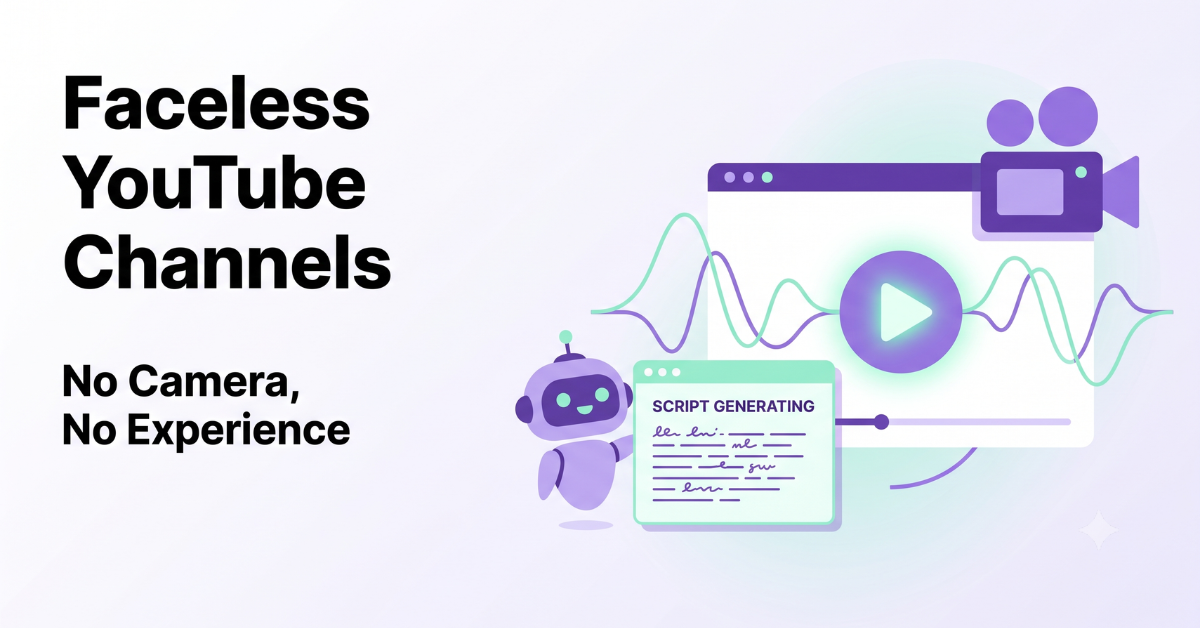
How the Work Actually Looks
Small businesses everywhere have the same problem: they know they should be publishing blog posts, email newsletters, and social captions, but they don’t have the time or the writing muscle to do it well. That gap is where a beginner steps in. You’re not competing with novelists — you’re offering a service where AI drafts the first pass and you edit it into something that sounds human, accurate, and on-brand. A local dentist, a boutique gym, or a regional real estate agent doesn’t need a $3,000-a-month agency. They need someone reliable who can turn a rough idea into a polished paragraph by Friday.
Real Earning Potential
Entry-level AI-assisted writing gigs on freelance marketplaces typically start in the $15–$40 range per blog post or email sequence. That sounds modest until you realize a competent beginner can turn around three to five of these a day once the workflow is dialed in — research prompt, draft, human edit, delivery. The ceiling climbs fast once you specialize: writers who focus on one industry (finance, health, SaaS) and build a few client testimonials routinely move into $75–$150 per article territory within six months.
First Steps This Week
- Pick one niche you already understand a little — fitness, local services, or personal finance are easy starting points.
- Write three sample posts using an AI drafting tool, then heavily edit them yourself so they read naturally.
- Create a simple portfolio page with those three samples — no website needed, a Google Doc works fine.
- List your service on a freelance marketplace and price your first five gigs slightly below market to build reviews.
Most beginner writers land their first paid gig faster on an established marketplace than by cold-pitching. Set up your Fiverr seller profile here and start with a tightly scoped $20 offer.
2. Launching a Faceless YouTube Channel Powered by AI
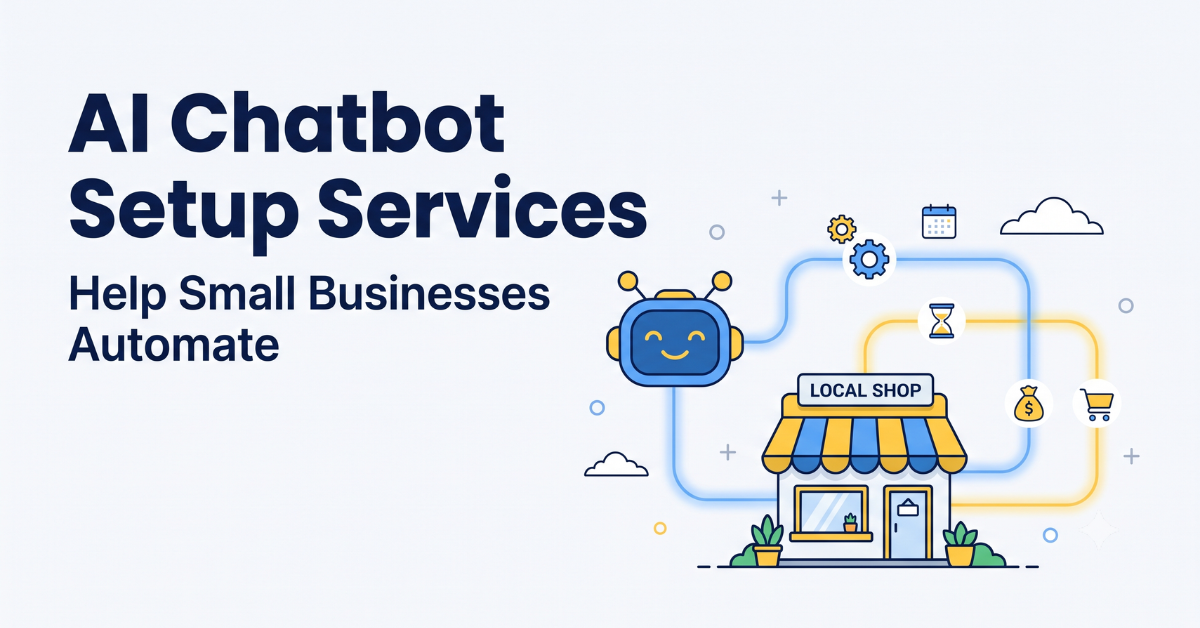
Why Faceless Works
Some of the fastest-growing channels on YouTube right now never show a human face. Educational explainers, top-ten list videos, and niche commentary channels are being produced almost entirely with AI-assisted scripts, synthetic voiceovers, and stock or generated visuals. One person, working a few hours a night, can now produce content that used to require a three-person production team. The bottleneck isn’t camera confidence anymore — it’s picking a narrow enough niche and publishing consistently.
Tools That Do the Heavy Lifting
The workflow for a beginner faceless channel usually looks like this: an AI tool turns your outline into a script, a text-to-speech engine narrates it, and a video assembly tool matches stock or AI-generated footage to your narration automatically. What used to take a full weekend of editing now takes an evening.
Turn a script into a publish-ready video without touching a traditional editing timeline.
Try InVideo AI for Faceless Content →Realistically, monetization takes longer here than freelancing — you’re building an asset, not selling an hour of work. Most beginner channels don’t see meaningful AdSense income until they cross the subscriber and watch-time thresholds required for the YouTube Partner Program, which usually takes three to six months of weekly uploads in a focused niche. The upside is that once a channel clears that bar, it produces recurring income from ad revenue, sponsorships, and affiliate links without new work for every dollar earned.
3. AI Chatbot Setup and Automation Services for Small Businesses
The Market Gap
Nearly every small business owner has heard they should have an AI chatbot answering website questions or handling basic customer support. Almost none of them know how to actually set one up. That gap between “I should have this” and “I don’t know how to build it” is a genuine service opportunity, and it doesn’t require a computer science background — most modern chatbot platforms are configured through simple forms and pre-built templates, not code.
What You’re Actually Selling
You’re not selling artificial intelligence. You’re selling a working chatbot that answers a local bakery’s hours, a plumber’s service area, or a boutique’s return policy — installed, tested, and handed over in a week. Beginner packages in this space commonly run $150–$400 for a basic setup, with recurring monthly maintenance fees of $25–$75 once the client sees it saving them time.
Automation and chatbot setup gigs are consistently among the fastest-growing service categories on freelance marketplaces. Browse how sellers are pricing this exact service on Fiverr before you set your own rates.
4. Selling AI-Generated Digital Templates and Automated Dropshipping
Templates: The Passive Income Classic
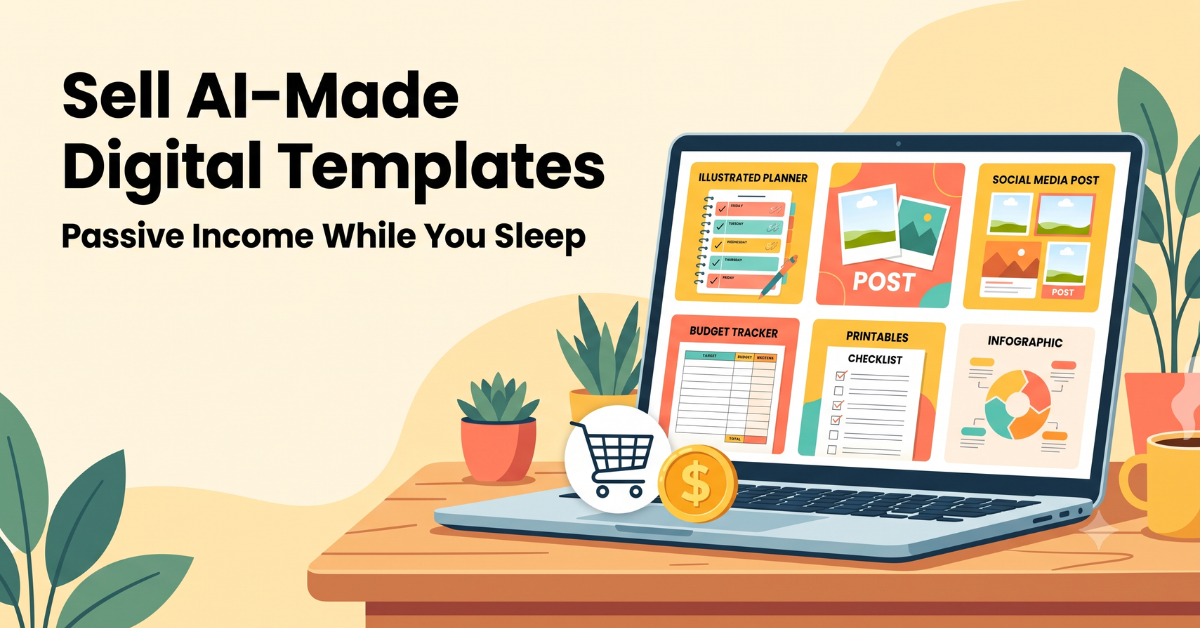
Digital planners, resume templates, social media caption packs, and Notion dashboards remain one of the simplest ways to build genuinely passive income. You design once, using AI to speed up layout and copywriting, and the product sells indefinitely with no per-sale labor. The math is unglamorous but reliable: a $9 template selling ten times a week is roughly $360 a month, and most creators sell more than one product at a time.
Dropshipping Automation: The E-Commerce Shortcut
The second path in this category is e-commerce without holding inventory. Automated dropshipping tools now handle product research, listing creation, and order fulfillment between platforms like eBay and supplier networks with minimal manual work. A beginner’s realistic first goal isn’t building a six-figure store — it’s listing a small, tested batch of products, watching which ones actually move, and reinvesting the margin into scaling the winners.
Sell physical products without warehousing anything yourself.
See How eBay Dropshipping Automation Works →5. AI-Powered Tutoring and Coaching
Turning Existing Knowledge Into Income
If you already understand a school subject, a language, a professional certification exam, or even a hobby well enough to explain it to a beginner, AI can compress the prep work dramatically. Lesson plans, practice quizzes, and personalized study guides that used to take hours to build can now be generated and refined in minutes. The human still matters most here — students pay for explanation, encouragement, and correction, not for content generation — but AI removes the tedious prep work that used to make tutoring a low-margin side hustle.
Where Structured Learning Fits In
The tutors who charge the most aren’t necessarily the most naturally talented — they’re the ones who can prove structured expertise. If you’re building toward tutoring or coaching in a technical subject, investing a few weeks in a structured course pays for itself quickly once you can list a real credential on your profile.
How to Choose Your First AI Side Income Path
Don’t try to run all six at once. Beginners who spread themselves across every idea in this article tend to finish the month with five half-built projects and zero dollars earned. Instead, use this quick filter:
- Need cash this week? Start with freelance writing or chatbot setup services — both can produce a first payment within days.
- Want to build a long-term asset? A faceless YouTube channel or a digital template shop takes longer to pay off but compounds without linear effort.
- Already know a subject well? Tutoring is the fastest path to premium hourly rates with the least competition.
- Comfortable with light logistics? Dropshipping automation rewards people willing to test and iterate on product selection.
Common Mistakes Beginners Make (and How to Avoid Them)
- Publishing raw AI output. Clients and viewers can tell. Always edit for voice, accuracy, and specificity before you deliver or publish.
- Chasing every trending tool. Pick two or three tools relevant to your chosen path and get genuinely fast with them instead of tool-hopping.
- Underpricing forever. Your first five gigs can be discounted to build reviews. After that, raise your rates — most beginners wait far too long to do this.
- Quitting before the compounding kicks in. Content-based paths like YouTube and templates often look like they’re going nowhere for the first two or three months, then accelerate. Track leading indicators, not just income.
Final Thoughts
None of the six paths above require a technical degree, a big budget, or years of prior experience. What they require is picking one lane, using AI to move faster than someone doing the work manually, and staying consistent long enough for the results to compound. Start small this week — one sample post, one chatbot demo, one product listing — and let the first real client or first real sale tell you whether to go deeper.
Looking for the tools and gear we personally recommend for AI-powered side hustles? Check out our curated Amazon picks.
💡 Frequently Asked Questions (FAQ)
Q: Do I need to disclose that AI helped create my content or products?
A: For most freelance writing, video, or template work, disclosure isn’t legally required in the way sponsored-content disclosure is, but transparency builds trust with repeat clients. The bigger practical issue is quality control — platforms and clients care far less about whether AI was involved and far more about whether the final product is accurate, well-edited, and genuinely useful.
Q: Which of these six ideas realistically pays the fastest for someone starting from zero?
A: Service-based paths — AI-assisted freelance writing and chatbot setup services — tend to produce a first payment fastest, often within one to two weeks, because you’re selling directly to a buyer rather than waiting for an audience or algorithm. Content and product-based paths like YouTube and digital templates take longer to pay off but scale without trading additional hours for additional income once they’re established.
Q: How much upfront investment do these AI side income ideas actually require?
A: Most beginners can start with free tiers of AI writing and video tools, spending nothing beyond time in the first month. Paid subscriptions to AI platforms typically run $10 to $40 a month once you’re generating consistent income and want faster or higher-quality output, which is a reasonable point to upgrade rather than a prerequisite to begin.
🌿 Weekly wellness, health & beauty insights — straight to your inbox
Free subscription · Cancel anytime